Pune: PeaceTech has been appointed as an esteemed Jury Member for Smart India Hackathon 2026, marking an important step in its engagement with India's student innovation ecosystem. The development also strengthens PeaceTech's collaborative alignment with MIT World Peace University (MIT-WPU), Pune, with a focus on exploring opportunities across Farm Technology, Renewable Energy, Sustainability and Future Agriculture.
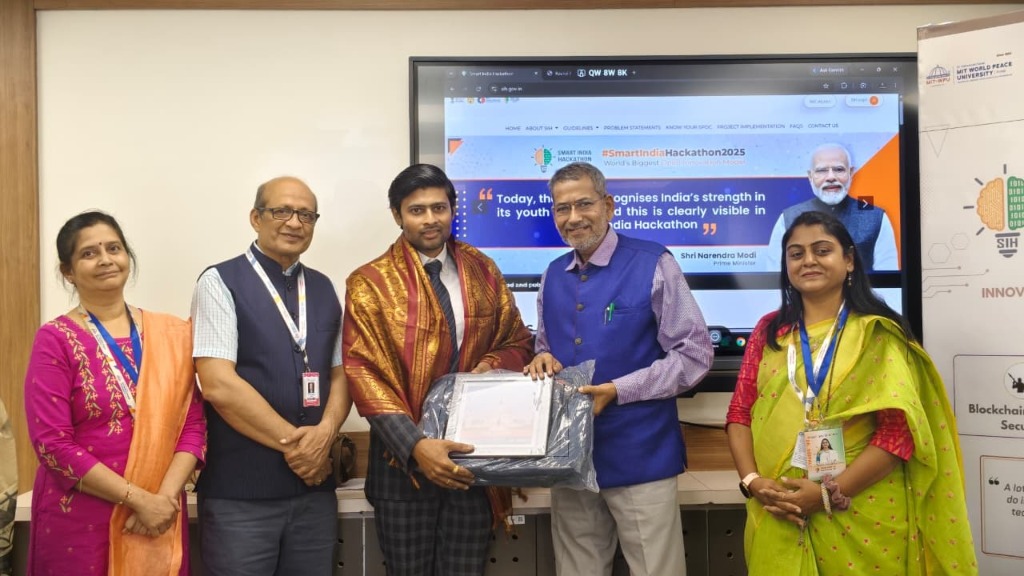
A Handshake for the Future of Farming
The collaboration between PeaceTech and MIT-WPU represents more than an institutional association. This collaboration aligns with PeaceTech's flagship youth innovation movement, FQ — Design a Farm @2040, which encourages students and young innovators to imagine and design the farms India may need in the future.
It is a meeting point between:
The two institutions envision opportunities to connect students, researchers, educators, innovators and industry around emerging challenges in agriculture and renewable energy. FQ aims to bring together schools, universities, farmers, researchers, technology innovators and industry to transform agricultural challenges into opportunities for innovation.
"The vision is simple: Who will design India's farms of 2040? Our young innovators will."
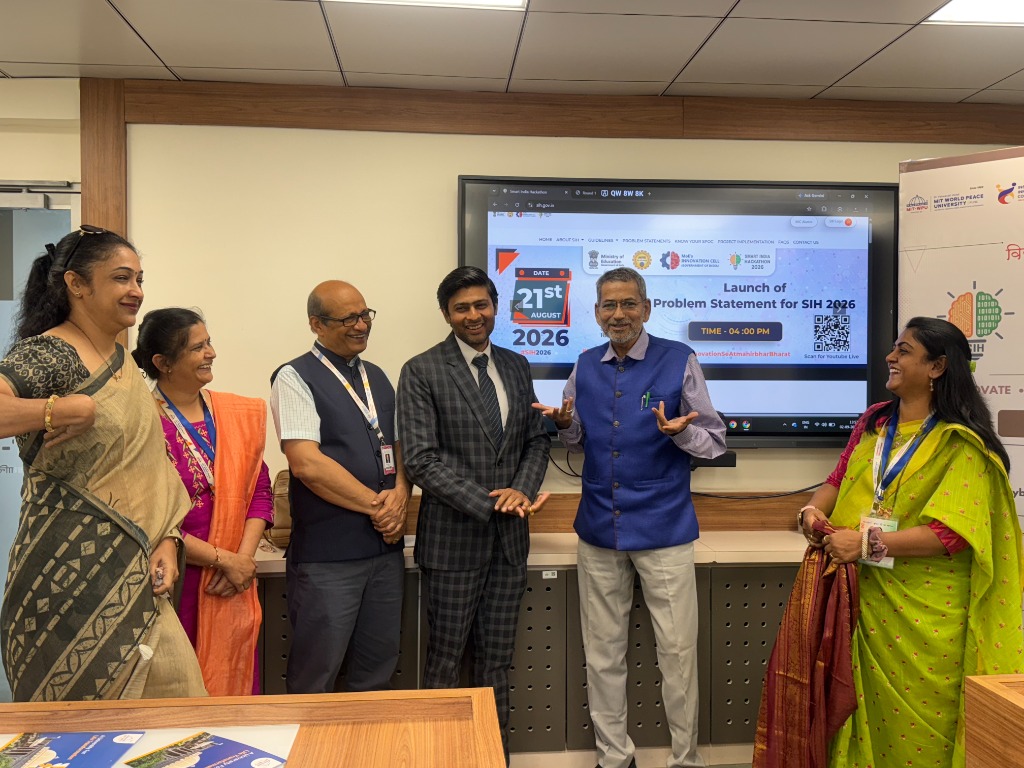
From Smart India Hackathon to Farm @2040
PeaceTech's participation as a jury member for Smart India Hackathon 2026 creates an important connection with its larger flagship movement: FQ — Design a Farm @2040.
FQ, or Farm Quotient, is PeaceTech's emerging youth innovation movement focused on encouraging young minds to explore the future of agriculture through sustainability, technology, design thinking and real-world problem solving.
Through Design a Farm @2040, students and young innovators are encouraged to move beyond simply learning about agriculture. They are invited to:
A New Role for Educational Institutions
PeaceTech believes universities can play a much larger role in shaping the future of agriculture. The university of the future should not remain separated from the challenges of the farm. It can become a place where:
- Students discover problems
- Researchers develop solutions
- Farmers contribute lived experience
- Industry brings technology
- Society becomes the beneficiary
The proposed collaboration with MIT-WPU creates an opportunity to explore precisely this ecosystem.